The Medal Hotel
Custom medals due in three days instead of seven, wet paint, an overnight truck and a cardboard rack. What shipping the UNDP medals taught me about calling quality.
Three days instead of seven
Custom medals are never a quick job. These ones needed a 3D design, then spin casting, then finishing. A proper process that normally takes us seven days. The client was the UNDP office in Harare, for an event called the Top 50 Step Up Challenge, and they left us three days, since approvals have a whole chain of command, as do payments. I said yes anyway, because it was paying. In hindsight, that’s where the trouble started.
Around 16:30 the day before the event, the medals were done. Almost. They were still wet. And the only way to get them to Harare in time was the overnight express (ONE) truck leaving Bulawayo that night. Their cut-off time is 17:30, and even that is pushing it. It meant calling in favours so we could bypass the office paperwork and put the medals straight on the truck, with the paperwork done in the morning when the office opens. Six hours on the road, overnight.
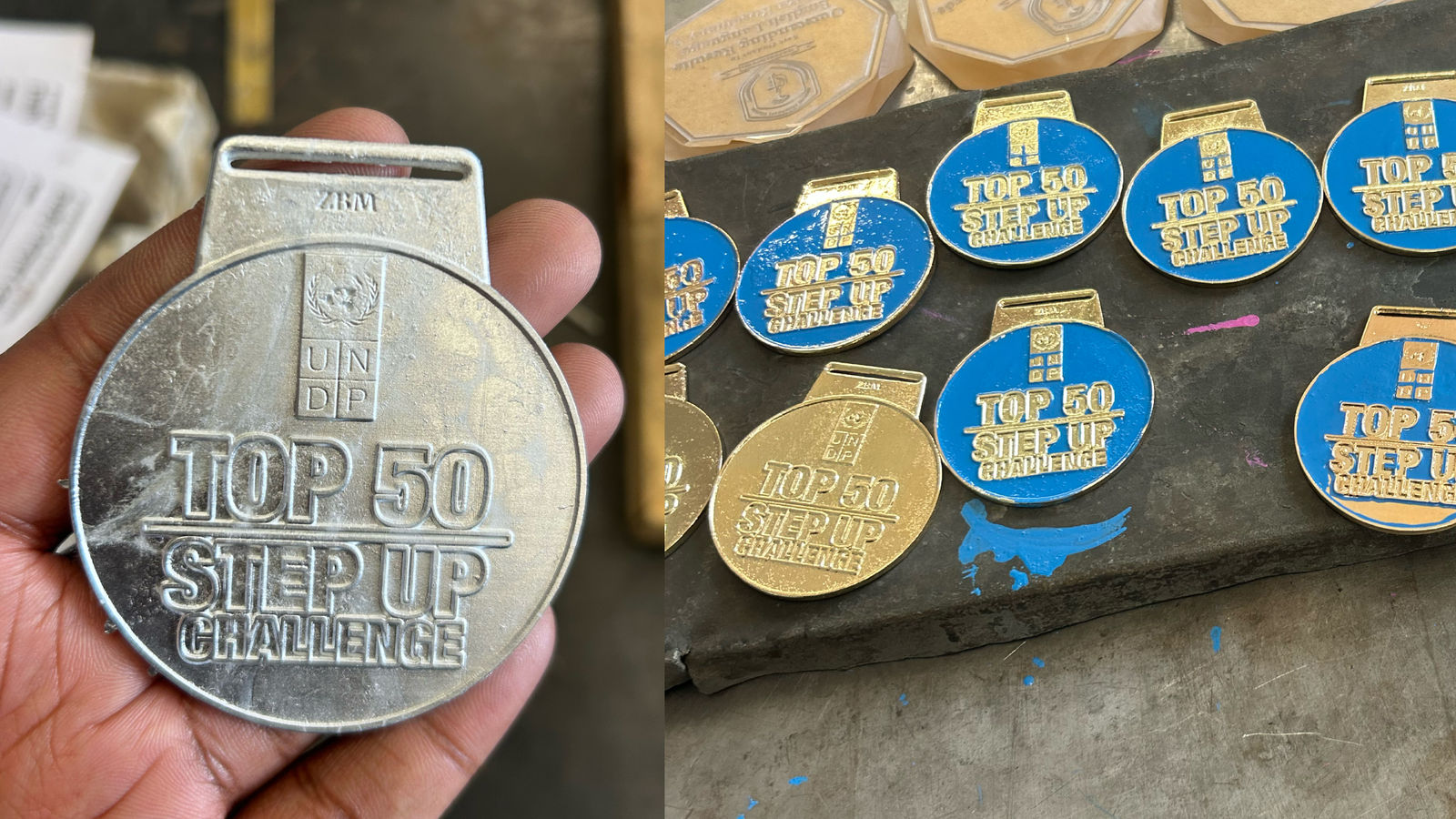
This shot was taken a little after lunch. The medals still needed painting on the other side, plus finishing and lacquering.
Can’t ship, must ship
The office manager’s position was simple: we can’t ship today, they’re not dry, the truck leaves soon, tell the client we’re stuffed. Mine was just as simple: we have to get them out today so they travel overnight and make it to the event tomorrow. Neither of us had a plan. We had two opposite answers and a deadline.
Then came the what-if. What if we stopped arguing about whether wet medals could travel, and worked out how they could? Do or die.
I was still explaining the idea to the office manager when I noticed the rack on the CNC tooling desk: slotted holes holding precision collets upright, nothing touching where it shouldn’t. That was the answer, sitting there the whole time.
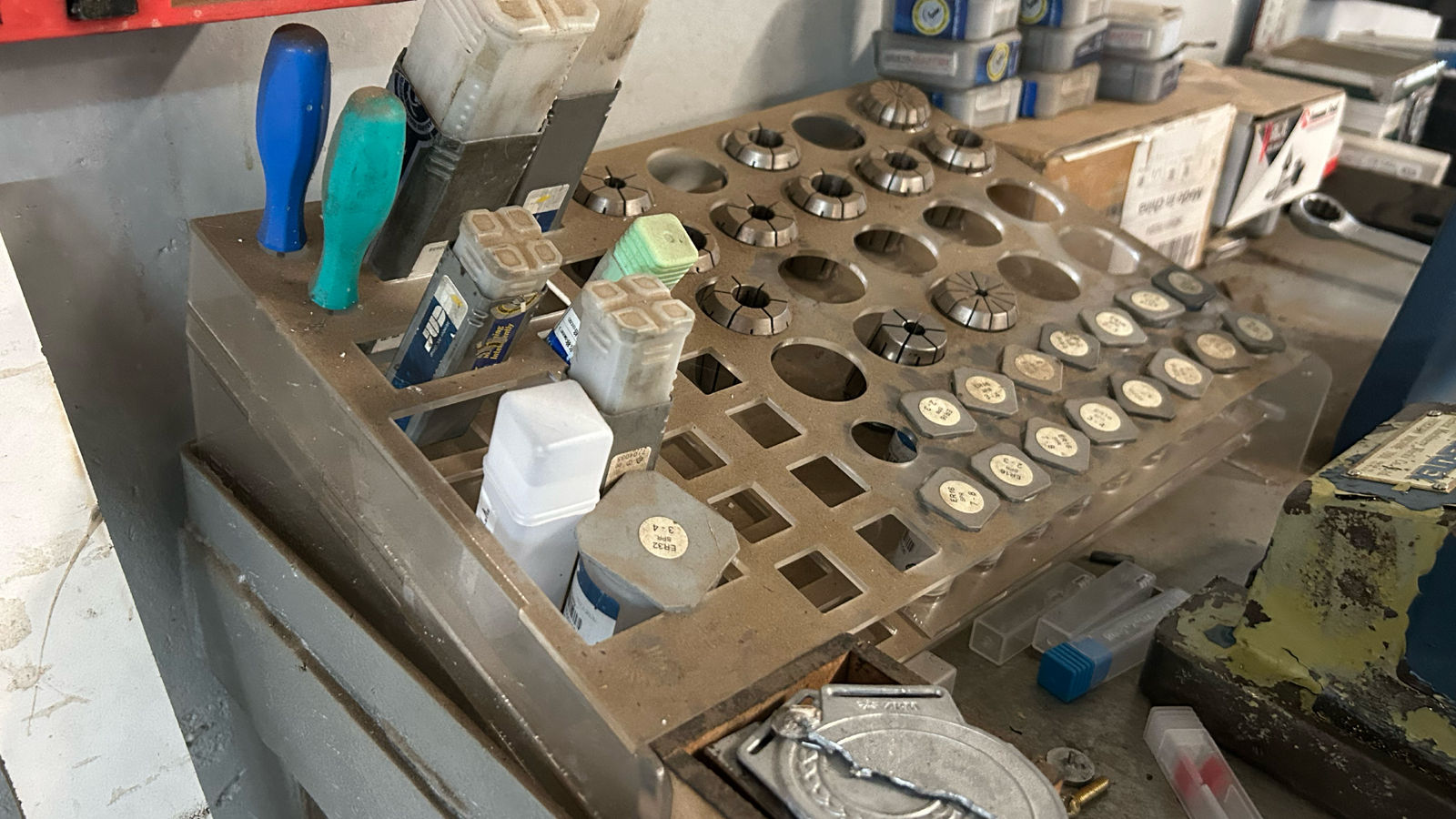
Yes, I see the dust. We work in a factory, and I am slowly bringing some change on cleaning, in line with 5S.
Five minutes and some cardboard
Between the what-if and the execution, it took maybe five or ten minutes. I jumped into the studio and asked one of the designers: can we do A, B, C, D, E? He said maybe we use cardboard. It’s cheaper for us to experiment with, and we have a ridiculous amount of it down in the dungeon (that’s what we call our basement storage area).
We grabbed a sheet, measured, and he drew the cut lines with the laser. We tried one or two medals, and it worked. I’d been planning to do it in wood. Cardboard won, and it kept going from there: a multi-storey box with cut-outs holding the medals upright, faces clear of anything. A hotel for medals, basically.
That was version one, and version one is what shipped to Harare. Nothing went wrong with it… or so I thought, lol.
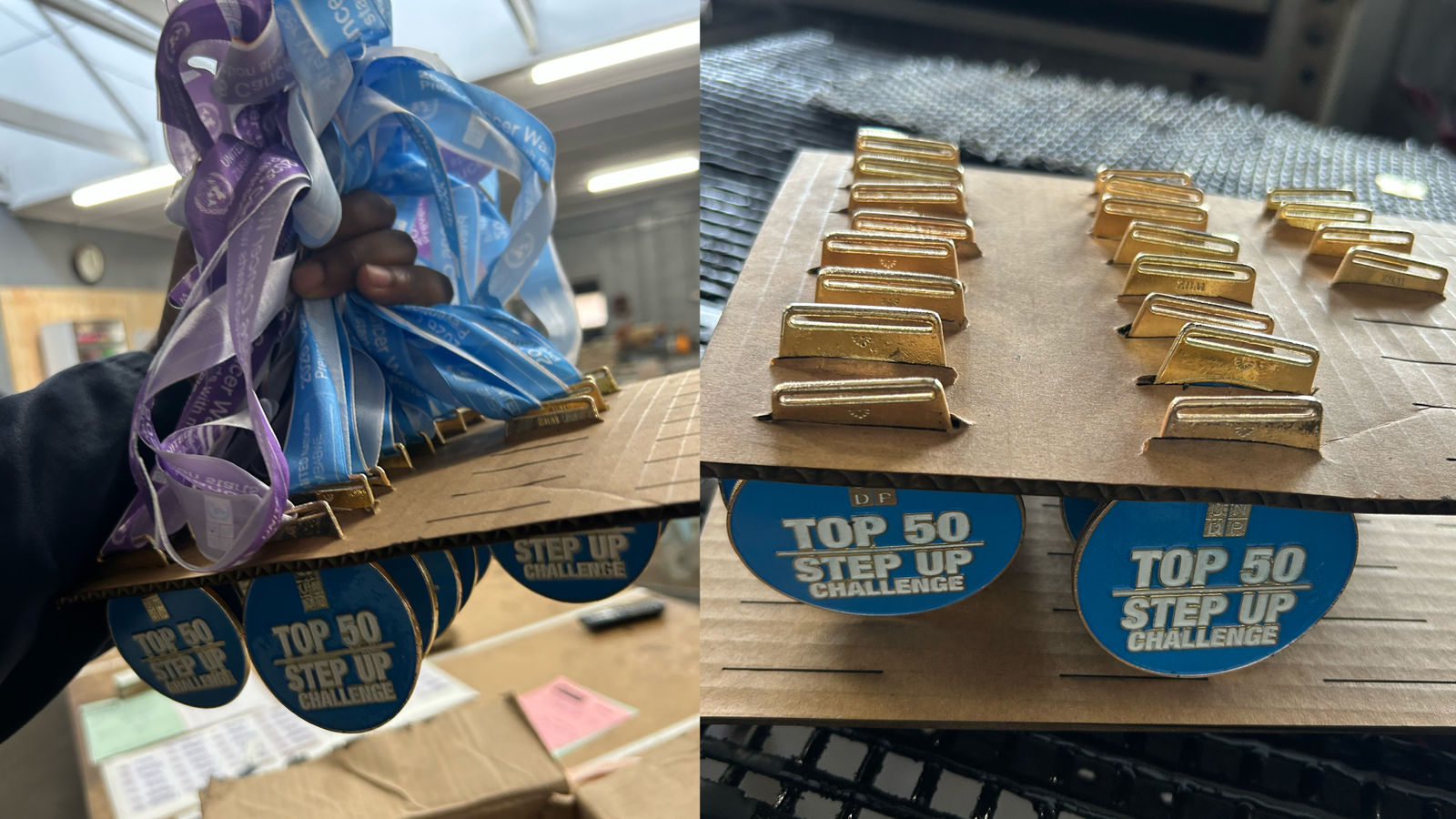
Those damn lanyards
The medals were never the problem. The lanyards were. They hadn’t been done properly, and the next morning HQ in Harare let us know, loudly and in colourful language, how we could possibly have shipped medals like that.
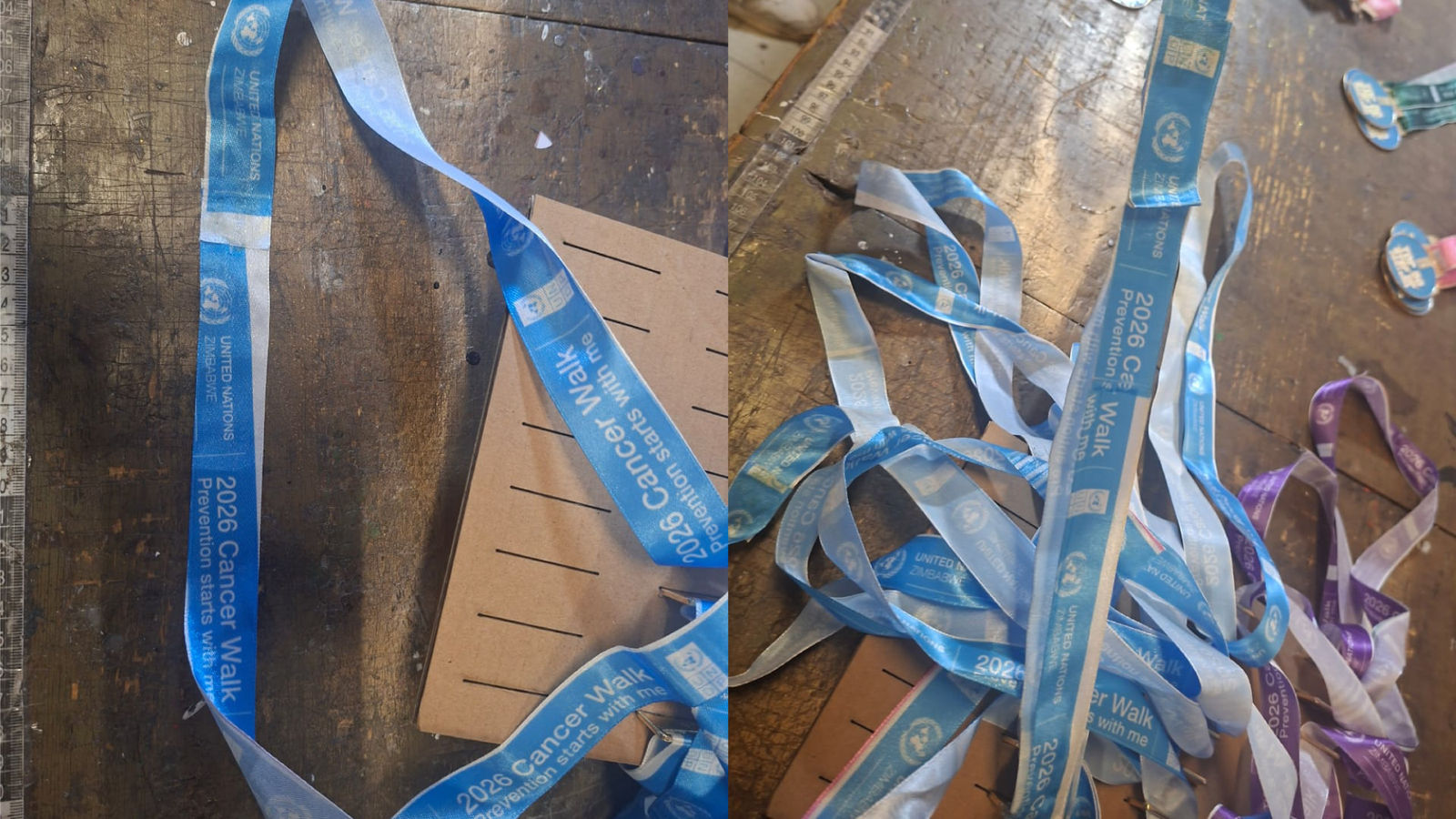
I agreed with them. The lanyards were bad. It was week one of me being in charge of quality, and I’d been there while the job was being done. The lady in Harare asked me three times who was responsible, who was in charge. Every time: “It’s me. It’s me. It’s me. I’m the one who looks after quality.” She told me that if this happens again, it’s my ass. “Yes, ma’am.”
I wasn’t going to single out a teammate. But in my head the maths was simple: I can negotiate my way through a lanyard problem with the client. I can’t negotiate my way through “we didn’t ship your medals because the lanyards looked funny.”
Fixing it with the client
I called the client and told them straight: your medals are here and ready for collection, but the lanyards are wrong. Can we come up with an alternative, quickly? We went through some options and landed on plain white lanyards, with the wording set slightly differently from what they’d wanted, but not so far off that it looked strange.
They collected in time for their event. That was three weeks ago, and some have already forgotten about that little siesta, lol. But I still think about it from time to time.
What I’m still learning
Sometimes it matters more that the thing gets there than that it sits on the production floor because it isn’t perfect. But that only works alongside the second lesson: communicate deadlines ahead of time, and don’t accept every job just because it pays. Custom medals, a 3D design, spin casting, three days where we normally need seven. We pushed the team to extremes, and I’m proud the medals themselves went out with zero complaints. The lanyards are what we paid for cutting it that close.
The lesson I’m still learning is when to call it. Even now, weeks later, I go to my boss and say: I’m a bit unsure about the quality of this one, I’m on the fence, what do you think? Sometimes he says we can afford to let it go out. Sometimes he says send it back. I’m training that muscle, because there are a lot of variables: when does the client need it, how many hours will it travel, what will it cost us to redo, and have we told the client about the errors in case we need to push the deadline?